


Do Artificial Green Walls Meet Food Safety Standards in Australian Cafés?
One stray leaf in a flat white can wipe out years of good reviews in a single Instagram post. Café owners, operators, and fitout decision-makers across Australia spend heavily on greenery to make their spaces feel polished and inviting, yet a surprising number never stop to ask what that greenery is doing to their hygiene rating. Food safety inspectors are not judging looks. They are judging surfaces, moisture, pests, and cleanability. That is the question sitting right beneath all that lush foliage. Do artificial green walls help your café pass, or put it quietly on the back foot?
Why Your Café Walls Are a Food Safety Decision Above All Else
Food safety and kitchens seem like a natural pair. In practice, that view is far too narrow. Council health inspectors assess the full space where food is prepared, served, and consumed. Your feature wall is part of that picture.
The governing framework for every Australian café is the Australia New Zealand Food Standards Code, maintained by FSANZ. Two standards speak directly to a café fitout. Standard 3.2.3, Food Premises and Equipment, sets the bar for how surfaces in and around a food business must look and perform. Standard 3.2.2, which covers health and hygiene requirements including Division 4, reinforces those duties at the operator level. Councils also call for compliance with AS 4674-2004, Design, Construction and Fit-Out of Food Premises, which turns the Code into the practical construction detail an inspector actually checks on the day.
Any wall near food service needs to be non-porous, easy to clean, and free of anything that traps dirt or moisture. This is where artificial green wall food safety across Australia really comes into play, because décor that holds grease, dust, or water is a genuine compliance risk. A green wall above a coffee machine or beside a servery sits squarely within your food environment, and inspectors will treat it accordingly.
Why Real Plants Fail Café Compliance More Often Than You Think
Here is what most café operators do not clock. The Food Standards Code does not explicitly name live plants or artificial green walls. The standards look at the surface itself. Porosity, cleanability, open joints, cracks, and pest harbourage are what get scrutinised. That is the actual compliance question, and living plant walls come up short on it repeatedly.
Under AS 4674-2004 and Standard 3.2.3, walls in areas likely to be splashed by water or that come into contact with food must be finished in an impervious material and withstand frequent cleaning. In food preparation and open food areas, the requirement is stricter still. Surfacing materials cannot have open joints, fixing screws, cracks, or crevices. Living plant systems fall at that structural hurdle before you even consider what grows inside them.
That is what makes real greenery a compliance liability at the surface level:
- Soil and growing medium introduce moisture and organic matter into a space that standards require to stay dry and impervious near food areas, and create the exact conditions that can provide harbourage for pests
- Watering and irrigation generate standing moisture, drips, and damp patches, all flagged during a council inspection
- Organic fibrous backing systems used in most real plant walls are porous by nature, sitting directly at odds with the impervious, easily cleaned standard that applies to walls near food
- Leaf litter, dropped foliage, and irrigation trays create ongoing pest-risk and cleaning issues that a sealed synthetic surface simply does not
A wall that needs feeding, pruning, and draining is a wall that fights your hygiene routine every single day. Most busy operators cannot keep winning that fight.
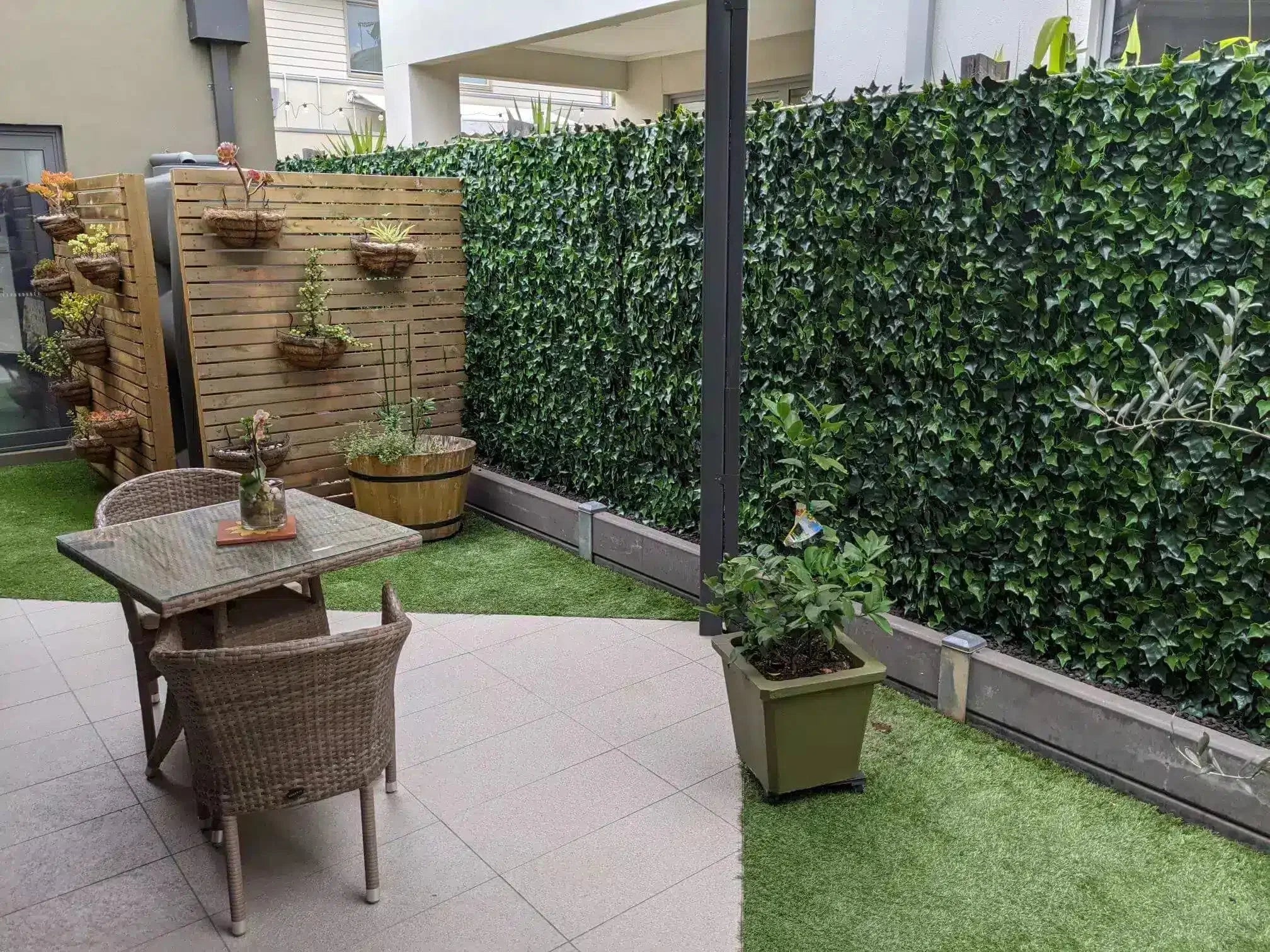
Do Artificial Green Walls Meet Food Safety Standards in Australia?
The answer café owners are after is straightforward. Quality artificial green walls sidestep the core hygiene failures that living systems create, which makes them far easier to keep compliant. They do so by meeting the surface standards the law actually sets, with no special exemption required.
No soil, no water, no organic material means nothing to rot, drip, or grow mould. A sealed, moulded panel like the Luxury Green Sensation Vertical Garden Green Wall Panel sits flush to the wall using a clip-and-lock system, so you avoid the open joints and fixing gaps that Standard 3.2.3 and AS 4674-2004 are specifically written to eliminate. It looks established from day one and brings zero moisture into your dining and seating areas.
That combination of sealed construction and cleanability is precisely what makes solid decisions about greenery such a clear-cut win for cafés that want the look without the liability.
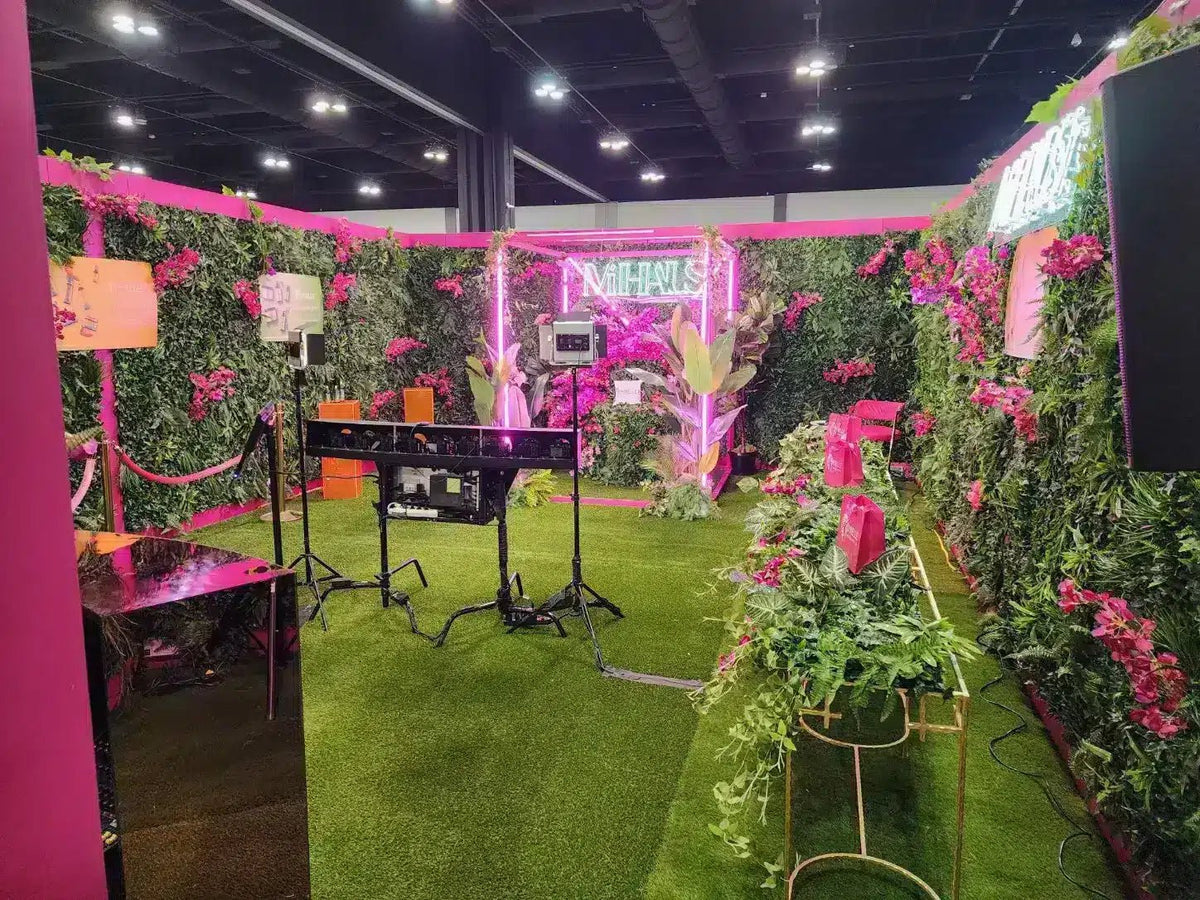
How Non-Porous Surfaces Keep Your Plant Wall Compliant
Cleanability is the crux of it all. Under both Standard 3.2.3 and AS 4674-2004, food contact and near-food surfaces must be easily cleaned, unable to absorb grease, and made of materials that will not contaminate food. A surface an inspector can wipe down in seconds is a surface that keeps your café trading.
Non-porous synthetic foliage does not soak up the airborne grease and oil that drift through every café kitchen. At that point, food safe artificial plants truly earn their keep, since rather than absorbing grime, they let you wipe it straight off. The Luxury Green Forest Vertical Garden Green Wall Panel uses non-porous synthetic foliage rather than an organic backing, which sidesteps the grease-absorption and moisture-retention issues that living systems bring. For walls sitting closer to service areas, where compliance scrutiny is at its sharpest and the impervious-surface standard applies most strictly, it is the right fit.
A light wipe with a damp cloth keeps the foliage looking fresh and passing inspection. No pruning shears, no watering can, no fortnightly gardener visit.
Where to Install a Cafe Hygiene Plant Wall Across AU Safely
The product and the placement are two sides of the same decision. Getting your cafe hygiene plant wall across AU placed correctly starts with knowing that the strict impervious-surface requirements under Standard 3.2.3 and AS 4674-2004 apply most directly to food preparation and open food areas. Front-of-house dining rooms, entryways, and waiting areas sit at lower risk. Walls near a servery, coffee station, or food display carry higher scrutiny. Matching the right specification to the right zone in your café is what determines whether your fitout clears inspection without a hitch.

|
Zone in your café |
Compliance pressure level |
Recommended specification |
|
Dining and seating areas |
Lower, away from direct food prep zones |
Sealed, moulded panel with clip-and-lock flush fitting |
|
Walls near servery and coffee station |
Higher, must meet impervious, wipe-clean standard |
Fire-rated, non-porous foliage panel with no organic backing |
|
Large dining room feature walls |
Moderate, coverage and minimal seams reduce risk points |
Joined multi-panel set with no irrigation or drainage needed |
|
Reception or full wall installs |
Variable, fire rating and custom sizing may be required |
Metal-backed bespoke build with compliance documentation available |
For those larger dining room walls, the Artificial Vertical Garden 3 Panel Set works well because it comes as a joined coverage set. Fewer panel joins mean fewer fixing points and seams, exactly the kind of detail Standard 3.2.3 flags, and with no soil, irrigation, or drainage required, the standing-water and pest-harbourage risk that living wall systems carry simply does not exist.
Meeting Building Compliance With Fire-Rated Green Walls
Food safety is one hurdle. Fire compliance is the next, and it catches plenty of café operators off guard mid-fitout. Sorting out artificial green wall food safety throughout Australia means keeping this second hurdle firmly in view.
Many hospitality fitouts fall under a building class that requires wall materials to meet AS/NZS 1530.3:1999. A green wall that cannot show that rating can hold up your certificate of occupancy or lead to an expensive replacement later. A building surveyor or council officer may ask for compliance documentation at any point during the fitout process. Getting it wrong once can cost weeks of trading and a rebuild that was never in the budget.
A custom option earns its keep precisely here. The Bespoke Vertical Garden with Metal Backing from Designer Vertical Gardens is built on a powder-coated metal frame rather than a plastic grid, giving a rigid, sealed structure with no organic material inside it. Fire rating can be specified to AS/NZS 1530.3:1999 Group 1 per project, which suits reception-style feature walls or full wall-to-wall café installs where custom sizing and compliance-ready documentation both matter.

What Food Safe Artificial Plants Actually Save You
Beyond passing inspection, the decision pays you back in ways owners rarely tally up front:
- Time you would otherwise spend watering, pruning, and replacing dead foliage
- Money on gardeners, irrigation systems, and repeated plant replacements
- Reputation protected from the pest and mould complaints that living walls invite
- Inspection readiness because your wall is already sealed, dry, impervious, and wipeable, meeting the surface standard before the inspector walks through the door
Food safe artificial plants take a recurring compliance worry off your plate and turn your greenery into a fixed, reliable asset. That is the sort of practical value that keeps a café running smoothly long after the fitout crew has packed up.
Final Word
Getting your green wall specification right protects your hygiene rating, your building compliance documentation, and your fitout budget in one decision. Designer Vertical Gardens builds products with exactly those pressures in mind. Their panels carry SGS-certified UV testing to 5,000 hours against an industry norm of 60 to 100, with fire rating available to AS/NZS 1530.3:1999 Group 1 on custom orders. Every product comes with a 12-month warranty, and UV-certified wall panels carry an additional 5-year crack guarantee. The right cafe hygiene plant wall across AU specification depends on where the wall sits relative to food preparation and what your building class requires, so request a free quote from Designer Vertical Gardens, turned around within 24 hours for hospitality projects, and get the correct specification confirmed before the fitout begins.