


Why Artificial Hedges Work Better Than Barriers for Balcony Privacy
A bare balcony lays your life out in the open, not just your space.
That one detail shifts how you sit, how long you stay, and even if you step outside at all. Comfort and daily use sit directly on privacy. Traditional barriers try to block sight. Artificial hedges reshape the space itself by covering, softening, filtering, and defining it.
That shift turns Artificial hedges into the very thing that outperforms rigid barriers, especially in Australian homes where light, weather, and nearby buildings all press into one compact outdoor area.
Stop Blocking Space and Start Shaping It
Barriers act like walls. They cut off space, compress it, and often make balconies feel tighter than they already are, while lowering overall comfort.
Artificial hedges take a different route. Separation happens without heaviness. The eye reads greenery as depth instead of obstruction, which changes perception straight away.
Instead of feeling boxed in, the balcony starts to feel layered and usable for longer stretches.
In apartments where every square metre already carries weight, this becomes the very thing that matters. A fake hedge wall gives privacy without taking away visual space. Coverage comes without that boxed-in feel that glass panels, metal screens, or wooden dividers tend to bring.
Once that shift settles in, going back to a hard barrier feels limiting.
The Difference Between Being Hidden and Feeling Exposed
Privacy goes beyond visibility. Comfort sits right beside it.
Solid barriers often miss this mark. They block direct sightlines, yet gaps, reflections, or awkward angles keep you aware of exposure.
Artificial hedge panels handle this with stronger control due to their density and irregular texture. Sightlines break in a natural way, so no straight path remains for the eye.
That means:
- No sharp angles that accidentally expose seating areas
- No reflections bouncing visibility back from glass surfaces
- No gaps that change with sunlight direction
The outcome feels complete. You stay hidden, and the space settles around you at the same time.
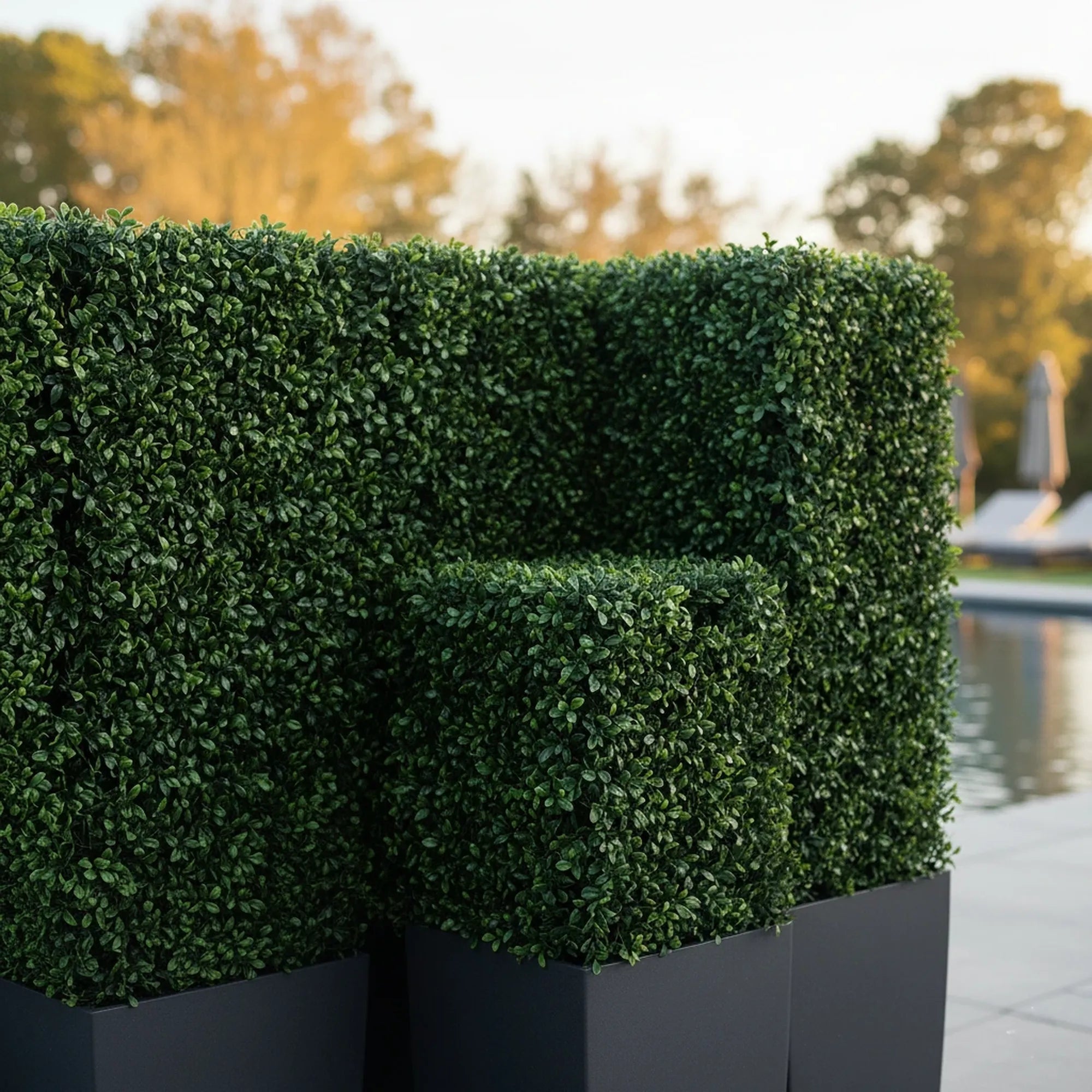
Light Still Gets Through and That Changes Everything
Most balcony barriers handle privacy by cutting off light. That trade-off feels minor early on, then slowly becomes frustrating.
Natural light shapes mood, temperature, and how often the space gets used.
Artificial hedges filter light instead of stopping it. Small gaps between leaves let brightness pass through while blocking clear visibility.
That balance creates a softer and more usable space that stays comfortable across different times of day.
You sit outside during the day without harsh glare, and at night, indoor lights do not turn your balcony into a display box.
This turns an artificial hedge wall into the very thing that manages the environment without closing the space off.
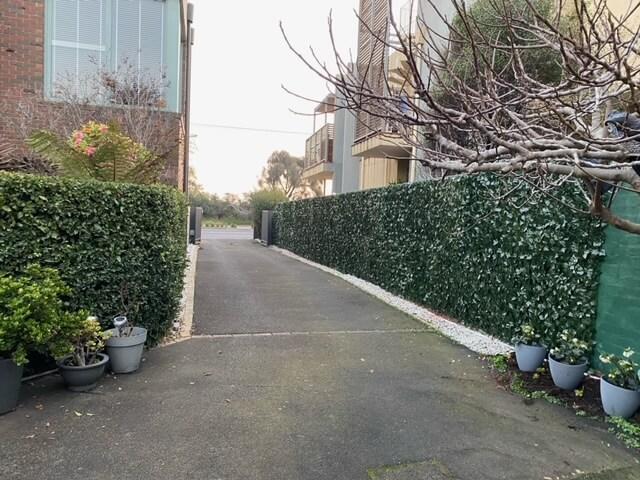
Why Weather Breaks Traditional Barriers Faster Than You Expect
Australian conditions push outdoor materials hard. Sun exposure, wind, moisture, and temperature shifts all take their toll.
Barriers struggle here:
- Timber fades and warps
- Metal heats up and becomes uncomfortable
- Fabric screens degrade and tear
- Glass needs constant cleaning to stay usable
Artificial hedges are built for this. High quality artificial hedge panels use UV stabilised materials that hold colour and structure under constant sun.
A good example sits in the English Boxwood Artificial Hedge Panel 1m x 1m, designed to handle prolonged outdoor conditions without fading or losing density. It holds its form while other materials begin to give way.
That consistency is the very thing privacy needs through changing conditions.
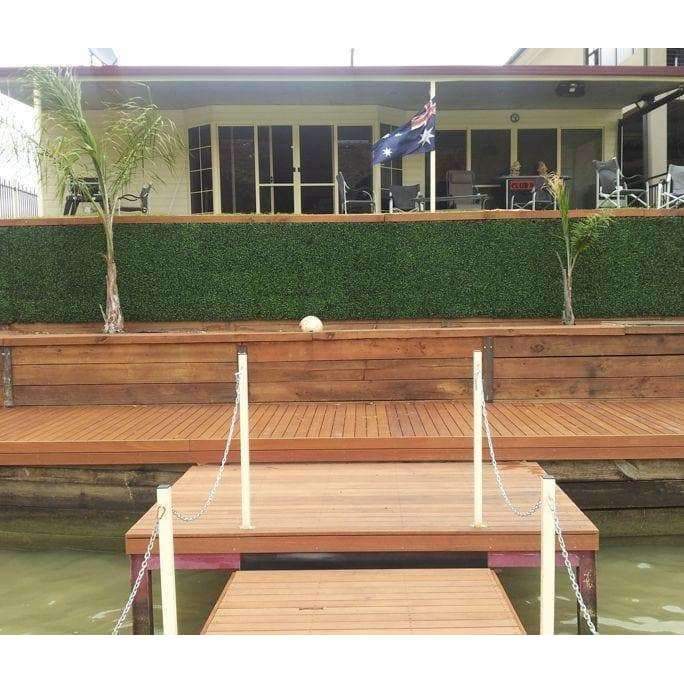
The Subtle Detail That Makes or Breaks Balcony Privacy
Most people look at height when thinking about privacy. Height alone does not solve the problem.
Angles do.
Neighbours above, below, and across view your balcony from several directions. A single line of sight never tells the full picture.
Flat barriers fall short here. They cover one direction and leave others open.
Artificial hedges address this through texture and depth. Leaves sit at different angles, and the structure avoids a flat surface, which disrupts visibility from multiple directions at once.
This is why an artificial hedge wall works better in corner balconies where exposure comes from two or three sides.
It adjusts to how people actually see and use the space.
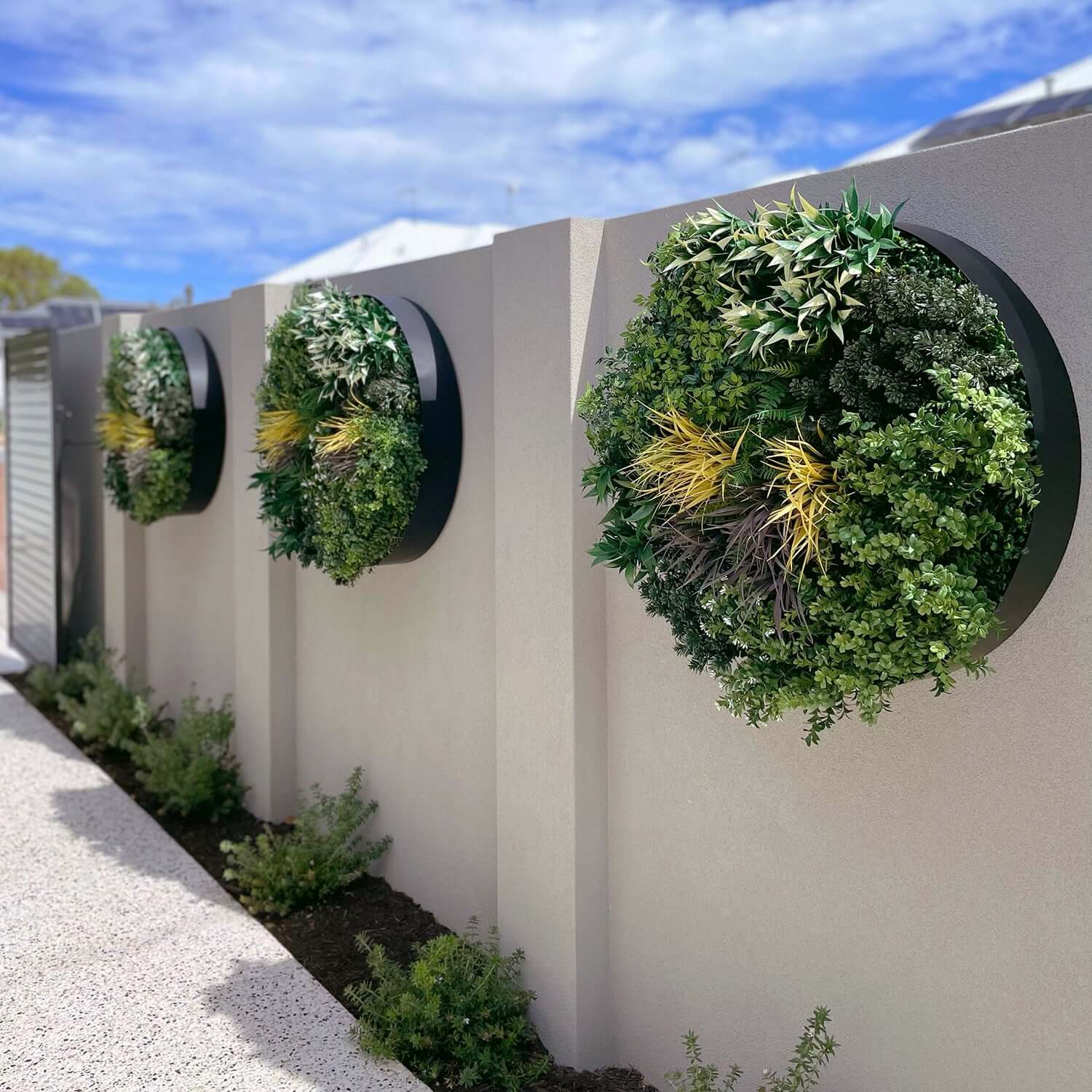
Installation Should Not Feel Like a Project
Most barriers ask for planning, tools, and sometimes approvals, which slows everything down.
Artificial hedge panels keep things simple:
- Attach using cable ties or simple fixtures
- Fit onto existing railings or walls
- Extend or reduce coverage anytime
There is no waiting period, and no structural change required.
Portable options also exist. The Portable Light Boxwood Hedge 1m x 1m works well when fixed installation is not possible. Privacy appears instantly, and the setup can move or shift based on need.
That flexibility becomes the very thing that suits rental properties and changing layouts.
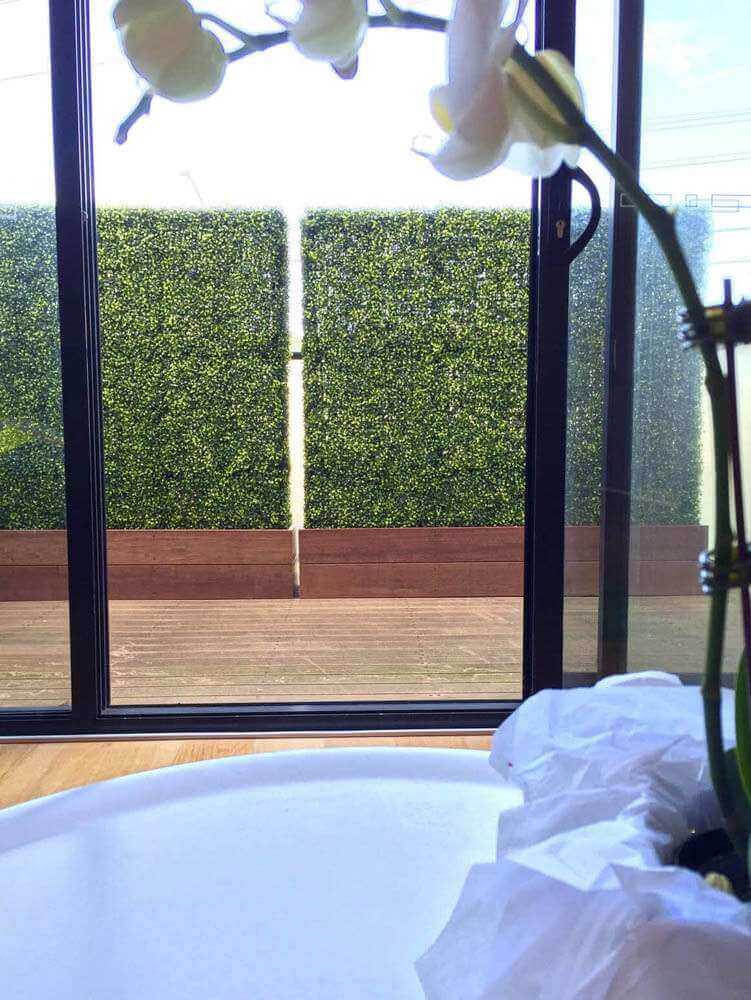
A Balcony That Looks Finished Instead of Covered Up
Barriers often feel like an afterthought. A problem gets solved, yet another limit appears in how the space looks and feels.
Artificial hedges feel integrated. The balcony looks complete while staying usable.
This changes how often the space gets used.
People stay longer in spaces that feel considered and visually settled. A fake hedge wall shifts the balcony from functional to inviting without adding complexity.
It fits across styles. Modern apartments, older units, minimal interiors, or layered outdoor setups all respond well to greenery.
There is no seasonal drop-off. The look stays steady throughout the year.
Where Artificial Hedges Outperform Without Debate
- High rise balconies with multiple viewing angles
- Compact balconies where space perception matters
- Rental spaces where permanent changes are limited
- Sun exposed areas where materials usually fade
- Homes close to neighbouring buildings
In these cases, traditional barriers struggle to deliver comfort and durability together.
Artificial hedges handle both with steady performance.
A Simple Comparison That Changes the Decision
|
Feature |
Barrier Approach |
Artificial Hedge Approach |
|
Visual feel |
Hard separation |
Layered separation |
|
Light handling |
Blocks light |
Filters light |
|
Multi angle privacy |
Limited |
Strong |
|
Upkeep |
Frequent cleaning or repair |
Minimal upkeep |
|
Adaptability |
Fixed structure |
Flexible setup |
The difference shapes daily use and long term comfort.
Indoor and Semi Outdoor Spaces Need a Different Approach
Not all balconies sit fully exposed. Some sit within partial enclosures or extend from living areas.
Here, lighter solutions work better.
The Fake Ivy Roll 3m x 1m brings privacy without adding visual weight. It works along railings or as a backdrop where a softer look fits better.
Adjustment and layering become easier over time. Density can increase without rebuilding anything.
That flexibility remains difficult with rigid barriers.
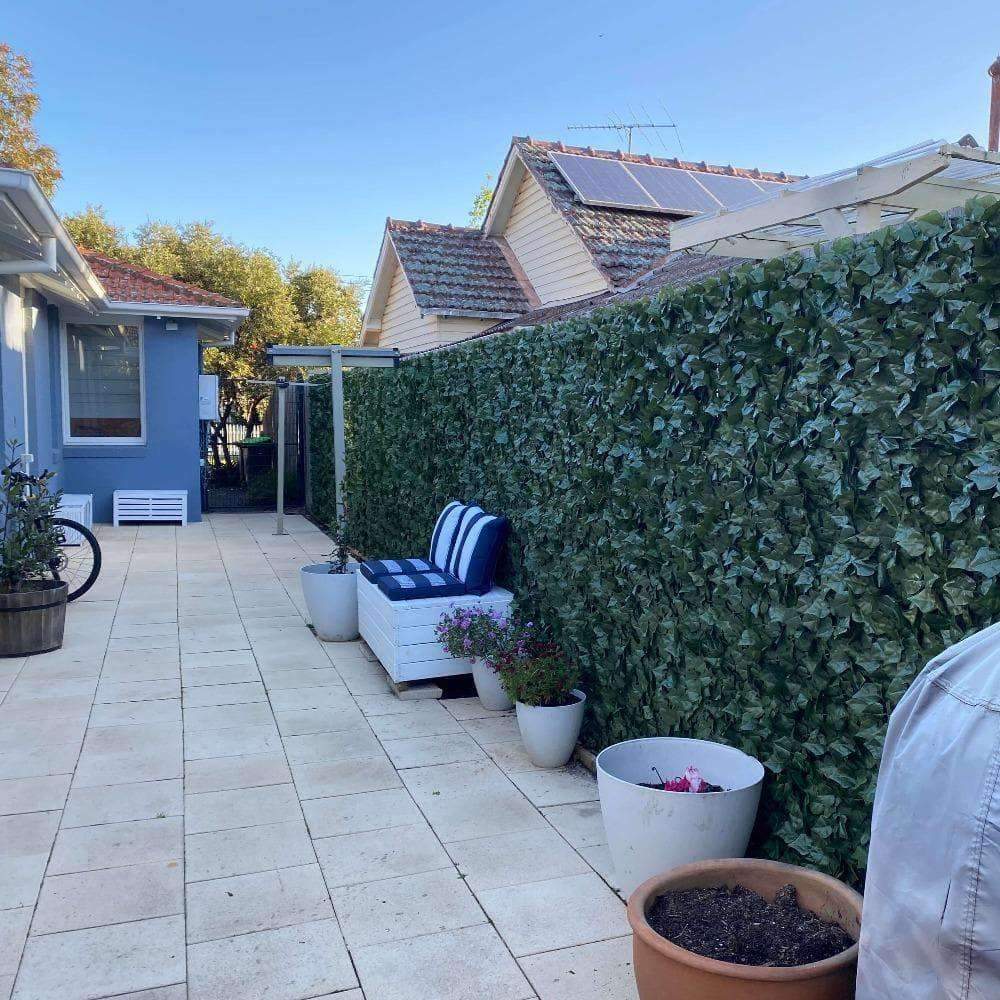
The Maintenance Gap That Gets Ignored Early
Barriers appear simple at the start. Over time, upkeep becomes clear.
Cleaning glass panels, repainting wood, fixing loose fittings, replacing worn materials all turn into recurring tasks.
Artificial hedges remove most of that.
Basic care usually involves a light clean. Repainting, sealing, or seasonal fixing do not come into play.
Photinia Artificial Hedge Panel 1m x 1m holds its colour and structure even in exposed settings. That consistency reduces effort over time and keeps the balcony looking settled.
This becomes the very thing that keeps attention away from constant maintenance.
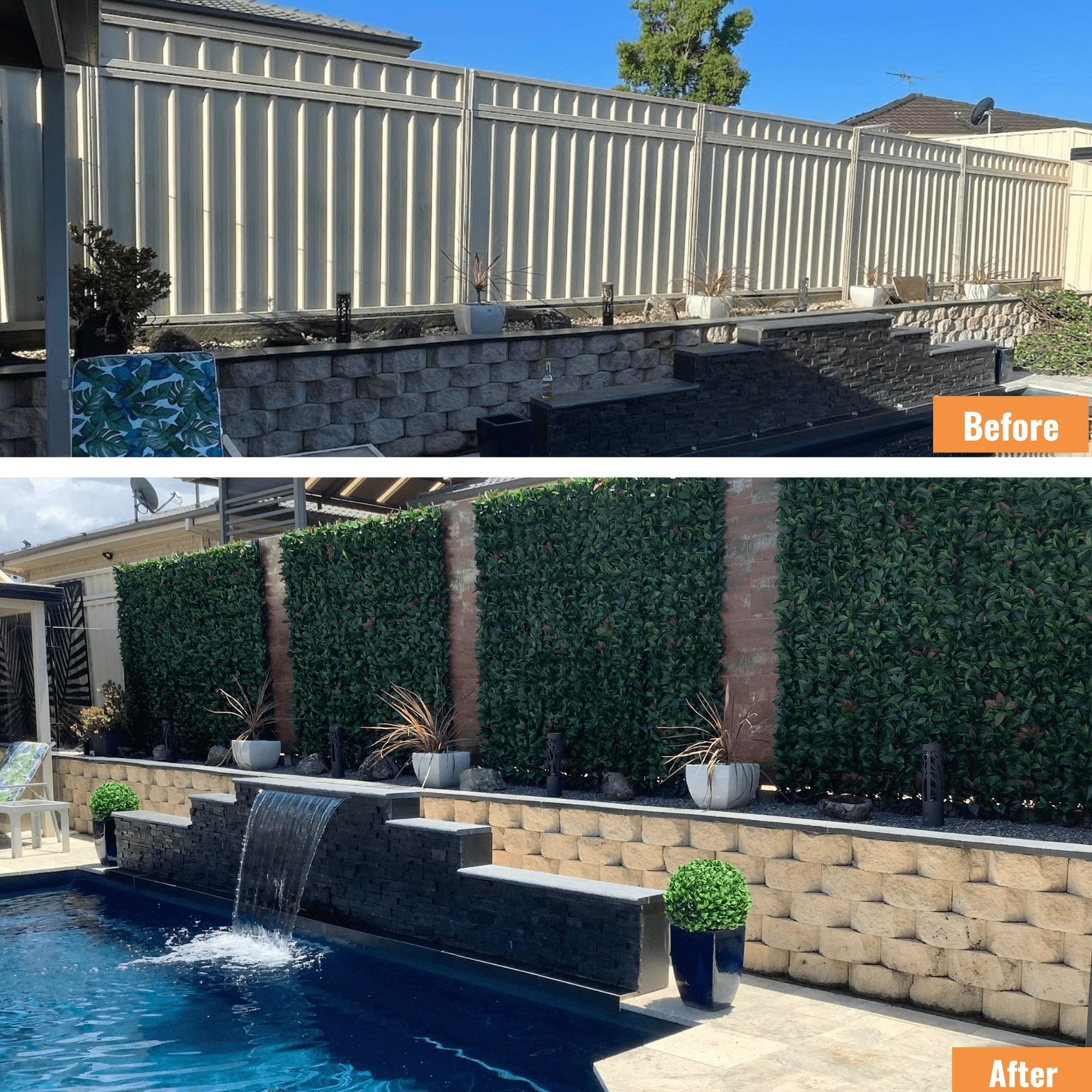
Why This Decision Changes Daily Behaviour
Privacy shapes usage patterns.
A balcony that feels exposed gets used less. People step out briefly, avoid sitting, or stop using the space altogether.
A balcony with strong visual cover shifts that pattern.
You stay longer, use the space at different times of day, and treat it as an extension of your home instead of a transition zone.
Artificial hedges make that shift easier because they do not bring new discomforts like blocked light or restricted space.
They remove friction while keeping the space open and usable.
What People Get Wrong When Choosing Privacy Solutions
- Focusing only on blocking visibility and ignoring comfort
- Choosing materials that look good for a short period
- Underestimating how light shapes usability
- Ignoring angled views from nearby buildings
- Assuming all artificial hedge panels are the same
These mistakes lead to rework. Fixing them later takes more time and effort than choosing correctly from the start.
The Long Term View That Changes the Choice
Balcony upgrades often get treated as temporary fixes. That approach rarely holds.
Artificial hedges shift thinking from quick cover to long term usability.
They handle daily exposure, seasonal changes, visual consistency, and ease of upkeep without creating new problems.
Once installed properly, they stop being something you manage and start feeling like part of the space.
Final Word
Privacy on a balcony shapes how you live within your own home. A rigid barrier may block sight, yet it often brings limits with space, light, and upkeep. Artificial hedges address the problem while keeping comfort, light, and usability intact. They filter, soften, and cover in a way that feels natural and complete. If the goal is a balcony used every day, this choice becomes necessary. With Designer Vertical Gardens, we build that outcome properly from the start so it works without compromise.
The only thing your neighbours should see is your great taste.