


How Hotels in Australia Are Cutting Landscaping Costs with Artificial Green Walls
Hotel landscaping budgets rarely explode in one dramatic moment. They just quietly leak, week after week, through routines that look harmless until someone actually adds them up. Watering schedules, trimming cycles, plant replacements, last minute fixes before a shoot. It all looks normal until operations start feeling like they are working for the greenery instead of the guests.
Across Australian hotels, something fairly interesting is happening. Vertical greenery is being pulled out of the “living and unpredictable” category and pushed into something closer to fixed architecture. Plants are no longer treated as mood driven elements. Walls now behave like controlled systems that follow operational intent, especially when artificial grass wall systems now offer a far more stable visual baseline.
What used to be “nice greenery” is now being treated like a system decision. And systems do not get to improvise.
Hotel Walls Stopped Acting as Plants Had Opinions
There was a time when hotel greenery was allowed to have character. Some patches thrive, some struggle, some look fine on Tuesdays and tired by Friday. That was considered part of the charm.
That thinking does not survive contact with modern booking platforms.
A wall is no longer judged in person first. It is judged in a thumbnail, often compressed, often cropped, often compared side by side with twenty other properties. That is where inconsistency becomes expensive.
So hotels have quietly shifted the expectation. The wall is no longer allowed to “grow into itself”. It has to behave like a photograph that never changes its mind.
Fixed vertical systems remove that drift entirely. Not by improving gardening. By removing gardening from the equation.
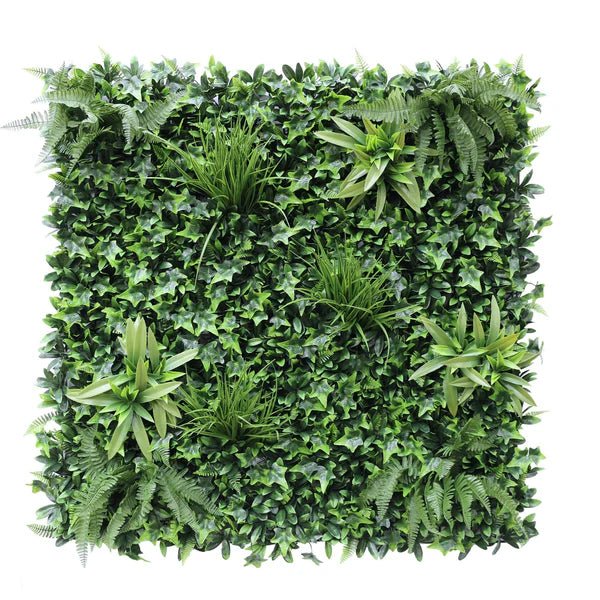
Artificial Grass Wall Installations and the End of Maintenance Debates
An artificial grass wall does something most hotel managers secretly appreciate. It removes conversations nobody enjoys having.
In a living system, every green surface comes with a chain reaction of discussions. When do we trim it, who waters it, what happens if it dries out before a weekend booking rush, can housekeeping fix that corner, should maintenance be called again.
It becomes a small debate factory attached to a wall.
Once a fixed system goes in, the debates stop existing. Nobody is negotiating with chlorophyll anymore. The wall is just there, doing its job, not asking for attention.
That is why these systems quietly show up in the most visually sensitive parts of hotels first.
- Lift lobbies where lighting is inconsistent and unforgiving
- Function entrances where branding needs a stable backdrop
- Outdoor partitions that cannot rely on irrigation behaving itself
Designer Vertical Gardens often ends up in these conversations because modular panels mean the wall gets built like a grid, not a gardening project.
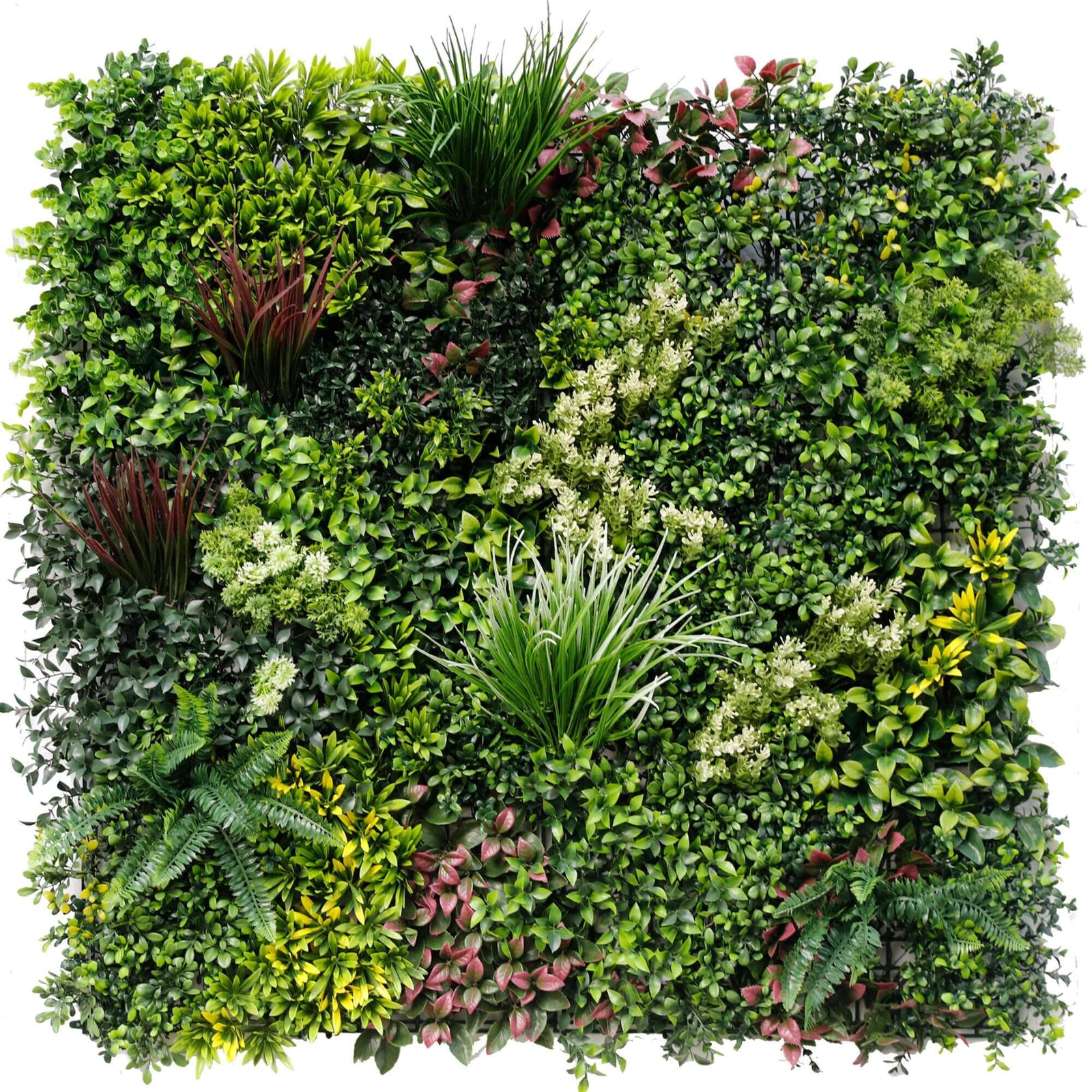
The Awkward Truth Behind Living Vertical Gardens in Hotels
Living vertical gardens look great right up until the moment reality enters the chat.
Hotels are not controlled environments. They are moving ecosystems of heat, humidity, air conditioning blasts, guest contact, and cleaning schedules that do not care about plant preferences.
So, the plants start improvising.
- One side of the wall gets more shade
- Another dries out slightly faster
- A section near airflow starts behaving differently
- The middle looks fine until it suddenly does not
Nobody notices this on day one. Everyone notices it during a corporate shoot or wedding photography session when the “lush wall” has developed a personality split.
Artificial green wall panels remove that entire storyline. No recovery phase, no patching, no emotional negotiation with a leaf that decided to give up early.
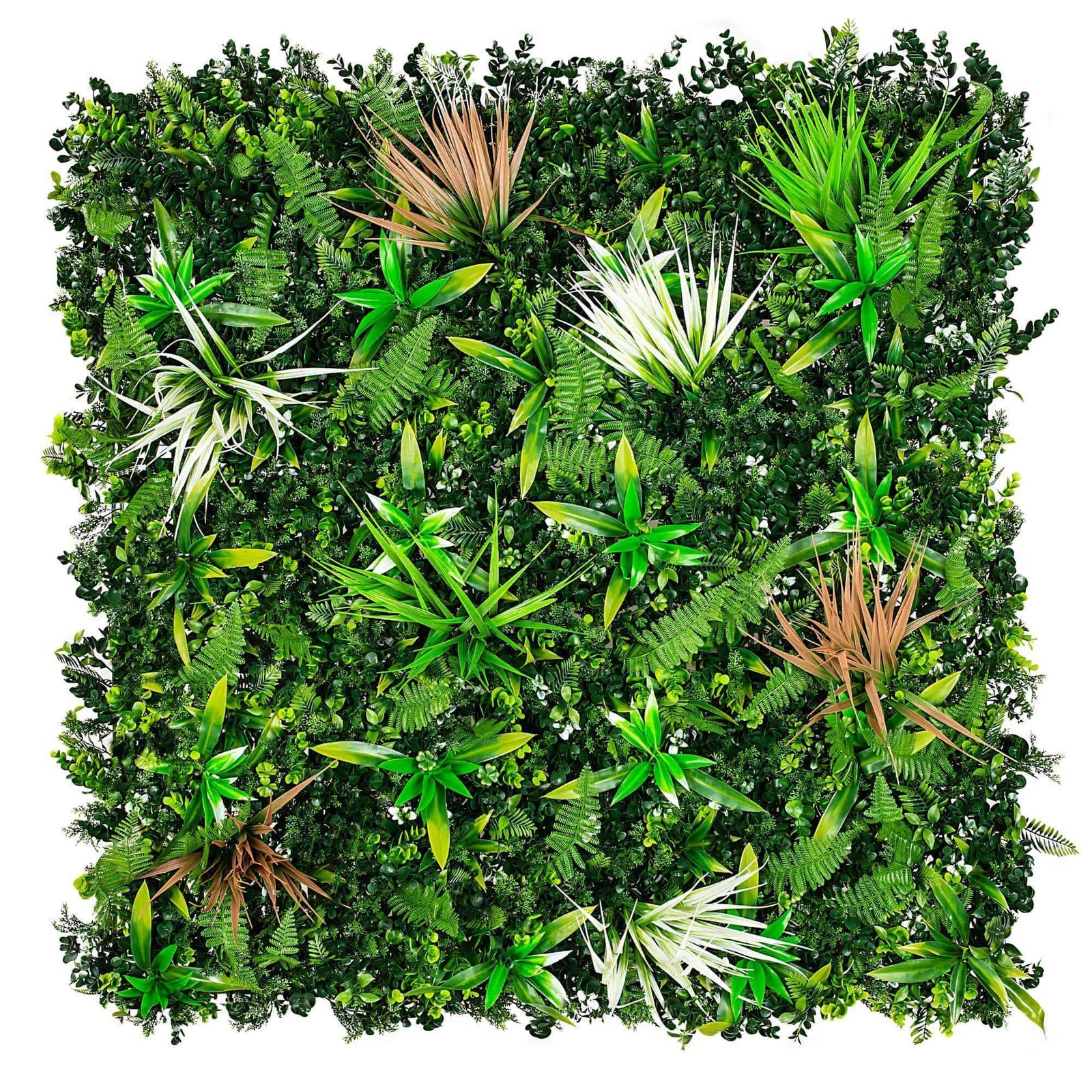
Why Green Wall Hire Melbourne Keeps Popping Up In Hotel Meetings
At some point, hotels in Melbourne started treating greenery like wardrobe changes.
Green wall hire is a popular option for hospitality events in Melbourne, especially for venues that frequently change their layout depending on the event.
Events change faster than interiors ever can. A corporate event does not want the same background as a wedding. A product launch does not want to share DNA with a Sunday brunch.
So instead of rebuilding spaces, hotels started borrowing them.
- Wedding backdrops that disappear after the weekend
- Corporate stages that need a neutral but impressive frame
- Seasonal dining setups that shift mood without construction noise
- Brand activation corners that exist for exactly one campaign
It is less about decoration and more about temporary personality swaps for rooms that cannot afford downtime.
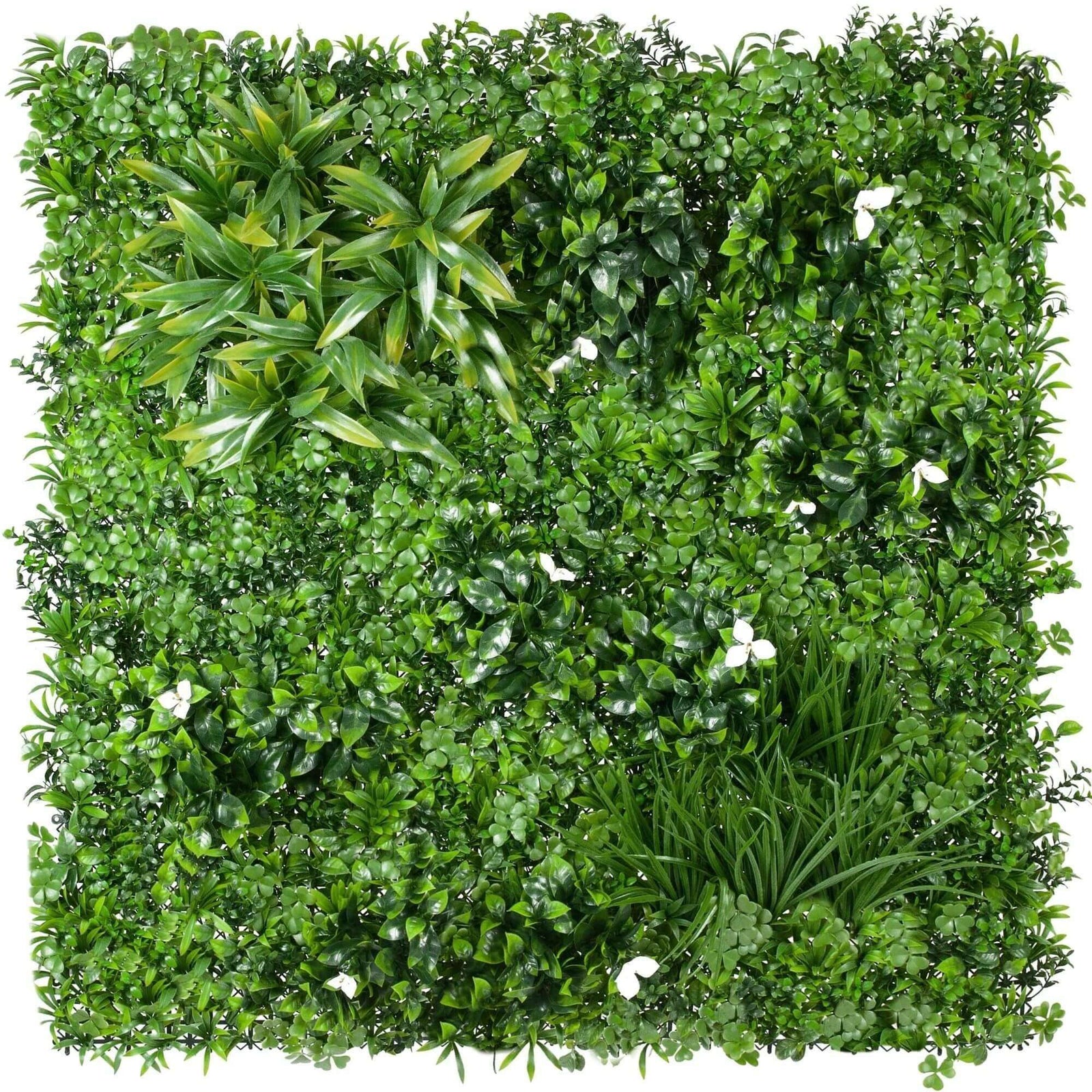
Fake Green Wall Is a Misleading Phrase with a Very Unfunny Job
The term fake green wall sounds like it belongs in a discount décor shop conversation, but hotel operations use it in a very different way.
It is about refusing to let certain spaces fail.
Some areas in hotels are simply not kind to living systems.
- Basement corridors with no daylight
- Roof edges that behave like wind tunnels
- High traffic zones where guests lean, brush, and bump constantly
- Reception backdrops that carry branding overlays
- Outdoor dining partitions that never receive consistent watering logic
In those spaces, real plants are set up against conditions they cannot stabilise within.
So artificial systems take over, not as decoration, but as refusal to gamble with failure.
How Hotel Walls Became Scheduling Problems Before They Became Design Features
Hotels used to think of walls as static. Now they behave more like tasks.
A living green wall does not just exist. It demands attention in cycles that rarely align with hotel operations.
So you end up with scheduling friction. Maintenance wants access, housekeeping is in the middle of cleaning flow, guests are checking in, events are being set up, someone needs that wall fixed before 3 pm.
It is chaos disguised as landscaping.
Fixed panels remove that entire layer of scheduling tension. The wall stops being something you deal with and becomes something you simply walk past without thinking about.
That is usually a good sign in hotel operations.
Table Showing How Hotel Zones Behave When Plants Stop Arguing Back
|
Hotel Zone |
Surface Choice |
What It Stops Arguing About |
What Quietly Disappears |
|
Reception entry wall |
Modular foliage panels |
Visual consistency across lighting changes |
Plant maintenance scheduling |
|
Pool boundary area |
Dense rainforest panels |
Sun exposure variation |
Irrigation dependency |
|
Event backdrop zone |
Floral vertical systems |
Photography readiness timing |
Installation downtime stress |
|
Dining divider walls |
Tropical foliage panels |
Guest movement interruptions |
Ongoing upkeep planning |
Why Artificial Green Wall Panels Became Procurement Language, Not Décor Talk
At some point, artificial green wall panels stopped being discussed like décor and started showing up in procurement spreadsheets.
The reason is repeatability across properties. A single installation logic can be replicated across multiple hotel sites without redesigning each space individually. That creates consistency visually and operationally across maintenance teams that rotate between locations.
- Luxury Green Sensation Vertical Garden Green Wall Panel 1m x 1m tends to show up in lobby areas where lighting changes throughout the day and consistency matters more than novelty.
- Luxury Evergreen Rainforest Recycled Vertical Garden Green Wall Panel 1m x 1m gets used outdoors where weather exposure normally turns living greenery into a rotating maintenance issue.
- Luxury Wild Tropics Vertical Garden Green Wall Panel 1m x 1m shows up in dining spaces where visual depth is doing more work for marketing photos than the furniture itself.
- Luxury White Lily Vertical Garden Green Wall Panel 1m x 1m is often used indoors where contrast against neutral interiors does more storytelling than signage ever could.
Where Designer Vertical Gardens Sits in All This Without Trying Too Hard
Designer Vertical Gardens does not really sit in the “decoration” conversation anymore. It sits in the “how do we stop this wall becoming a recurring problem” conversation.
With over 10,000 installations across commercial and residential spaces, the relevance is about repetition that works the same way every time.
Panels arrive flat, clip together, and do not ask for ongoing attention, which is exactly what hotels want when every other part of the building is already asking for something.
The material stability also matters in Australian conditions where outdoor surfaces tend to get punished by sun exposure in ways that do not show up in brochures but show up very quickly in real life.
Final Word
Hotels across Australia are not replacing gardens with artificial surfaces for visual preference alone. They are removing operational instability from spaces that were never designed to absorb biological unpredictability.
Fixed vertical systems stabilise presentation, reduce maintenance negotiation inside hotel workflows, and keep guest-facing surfaces consistent under pressure, especially when green wall hire in Melbourne based hospitality event setups are used for temporary spatial transformation in event-heavy properties.
Designer Vertical Gardens sits inside that shift by supplying modular systems that stop walls from becoming part of the daily problem list and allow hotels to focus on everything that actually needs human attention.
So, while the plants may be fake, the savings are very, very real.